Systems & Prototypes
Where digital intelligence becomes physical interaction.
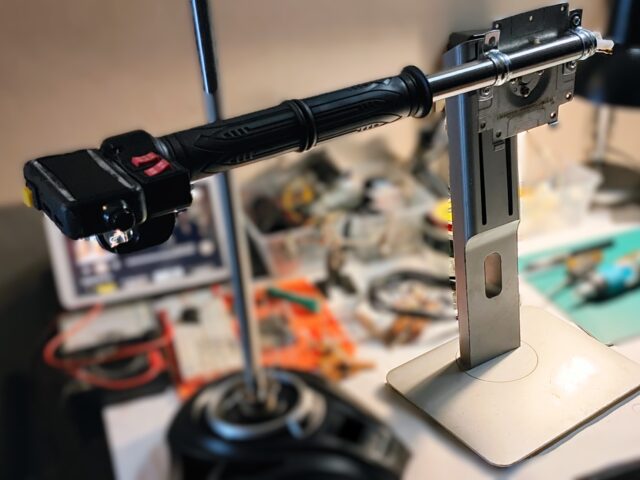
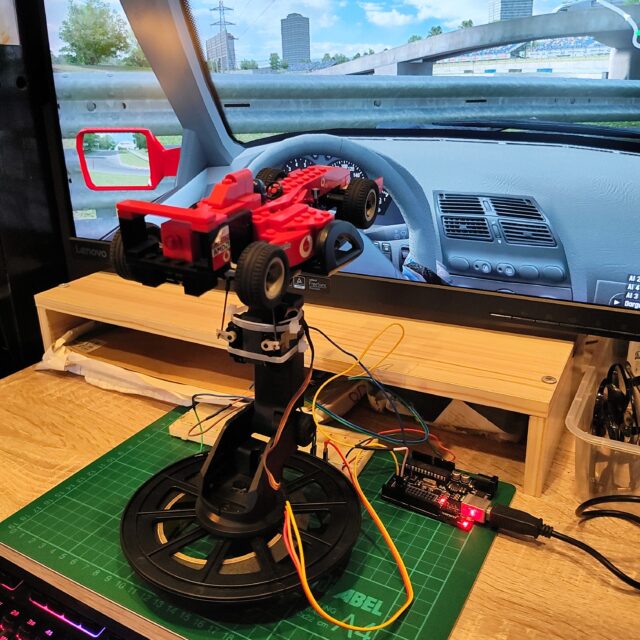
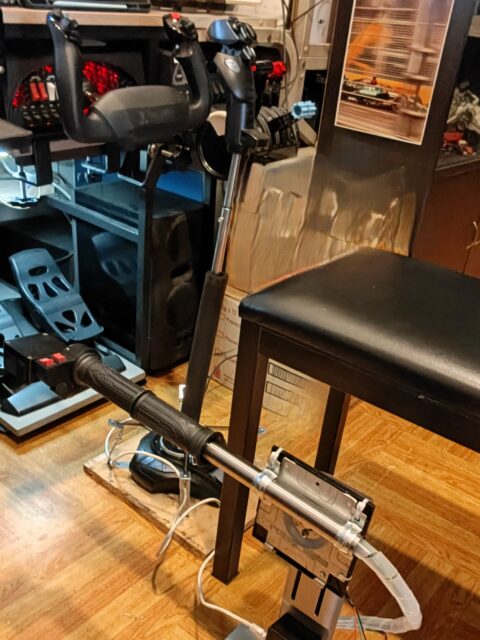
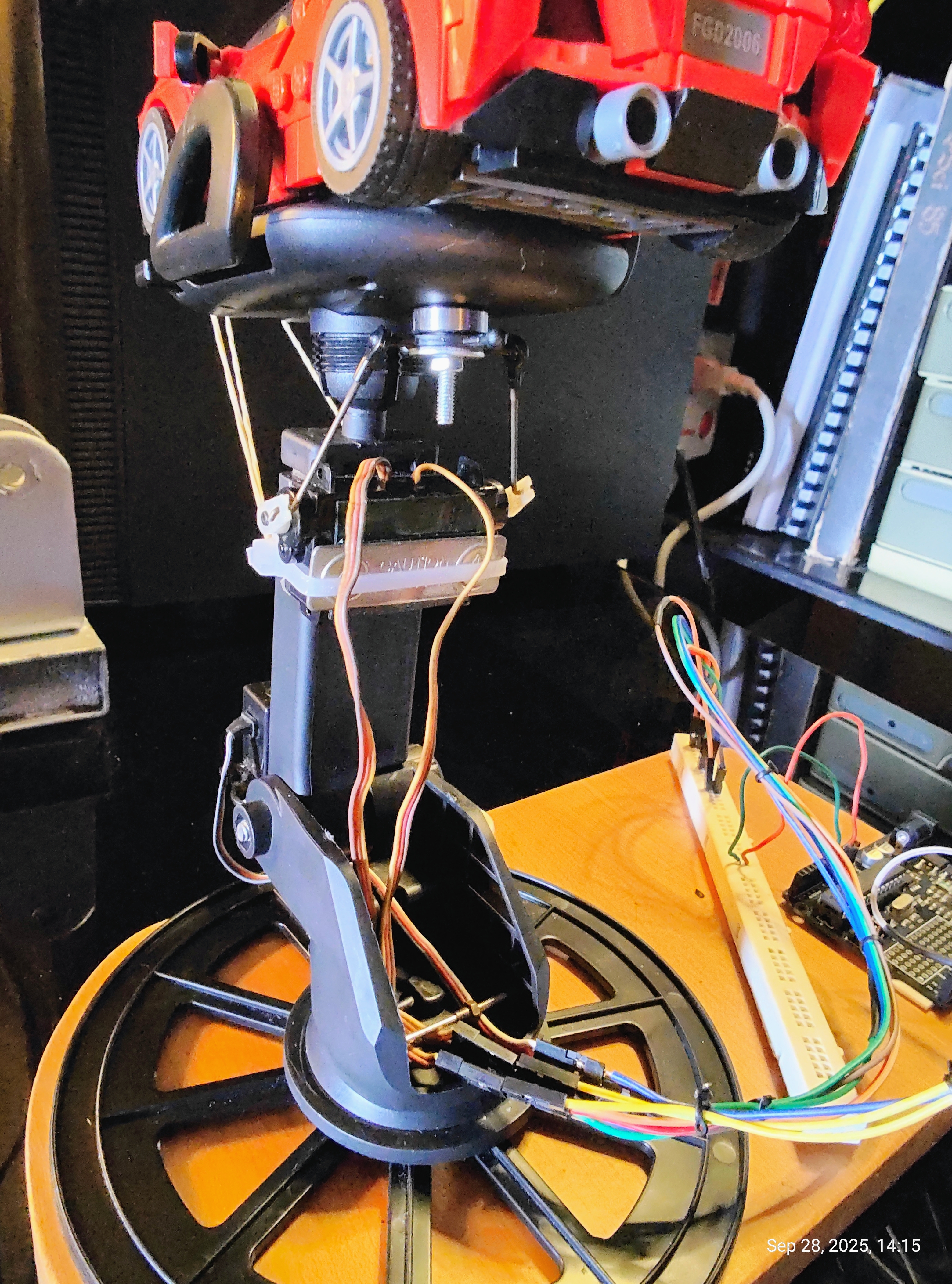
We design and build the hardware that bridges the gap between virtual models and human experience. From custom simulation controls to motion platforms, we develop the physical interfaces required for deep immersion and technical research. Architecture is where you are; Applied Systems is what you can reach out and interact with.
Why These Systems Exist
Inspired by Experiences, Backed by Architectural Discipline
Architecture is increasingly digital, but the human experience remains physical.
This work began with early experiments in animatronics and evolved into a broader exploration of motion, control, and simulation. The goal is simple: to understand how environments are experienced, not just designed.
Many of these systems are built using locally available materials, proving that advanced tools such as VR interfaces and motion platforms can be made more accessible without sacrificing functionality.
Our systems work is dedicated to creating the tactile touchpoints that make virtual environments feel real.
Timeline
1990s
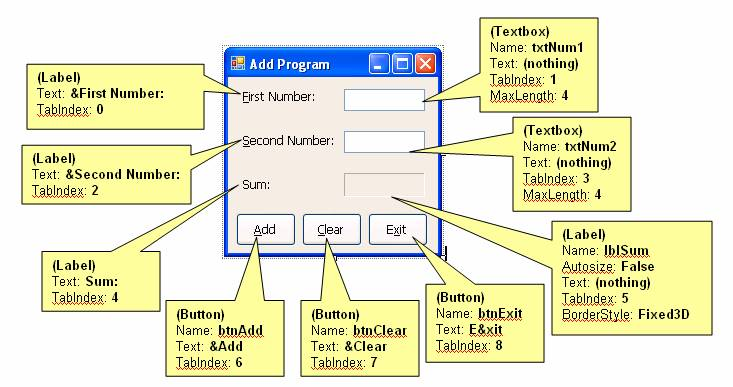
Animatronics – Relays, BASIC
Briefly describe the timeline event providing your audience with all the details they need to know about it.
2000’s
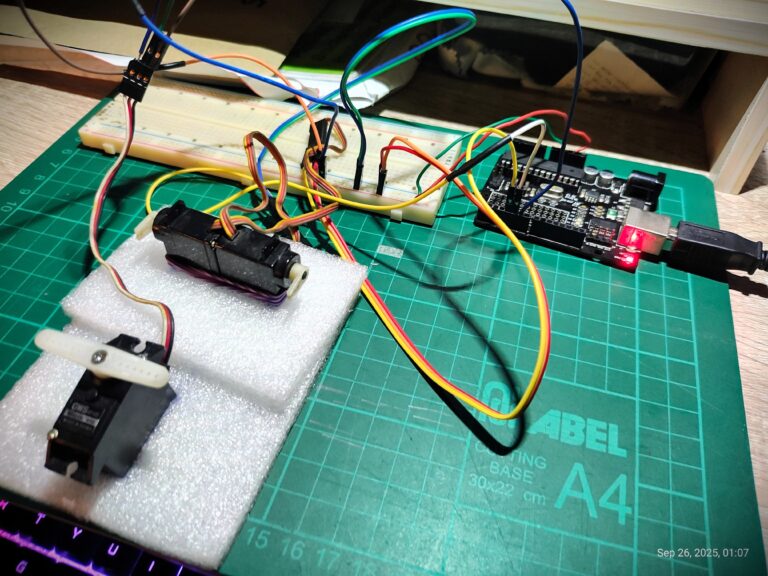
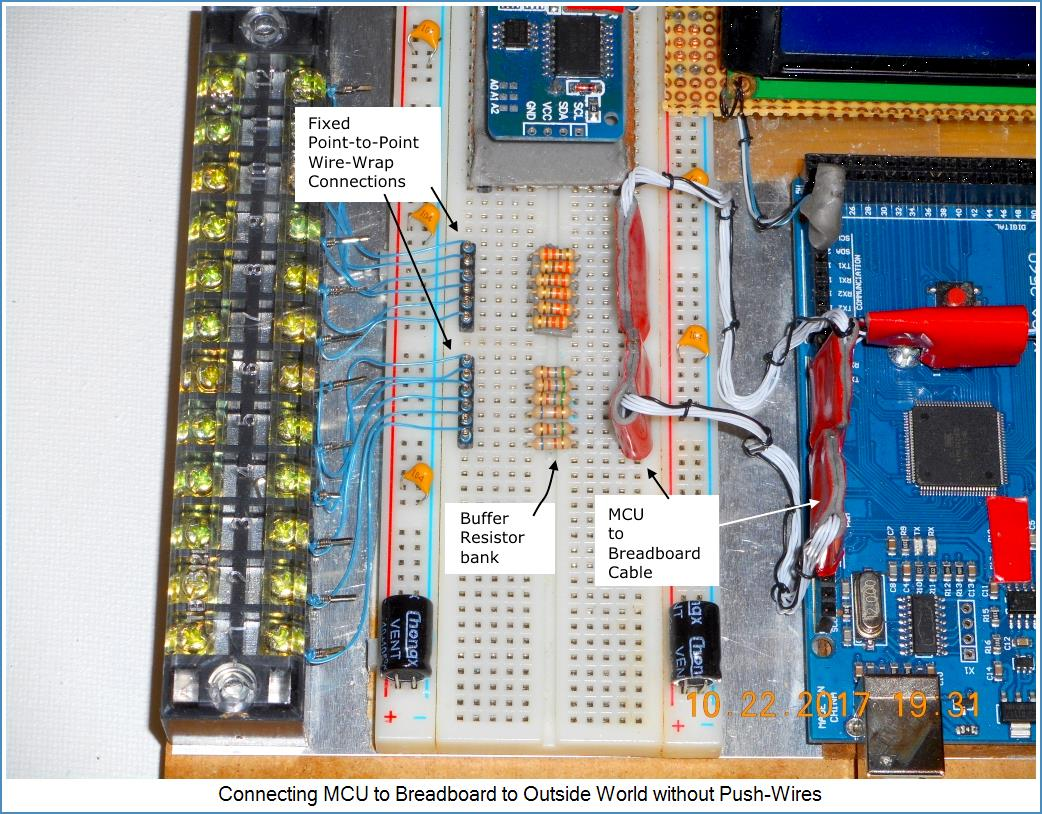
Electronics + control systems
Briefly describe the timeline event providing your audience with all the details they need to know about it.
2010s
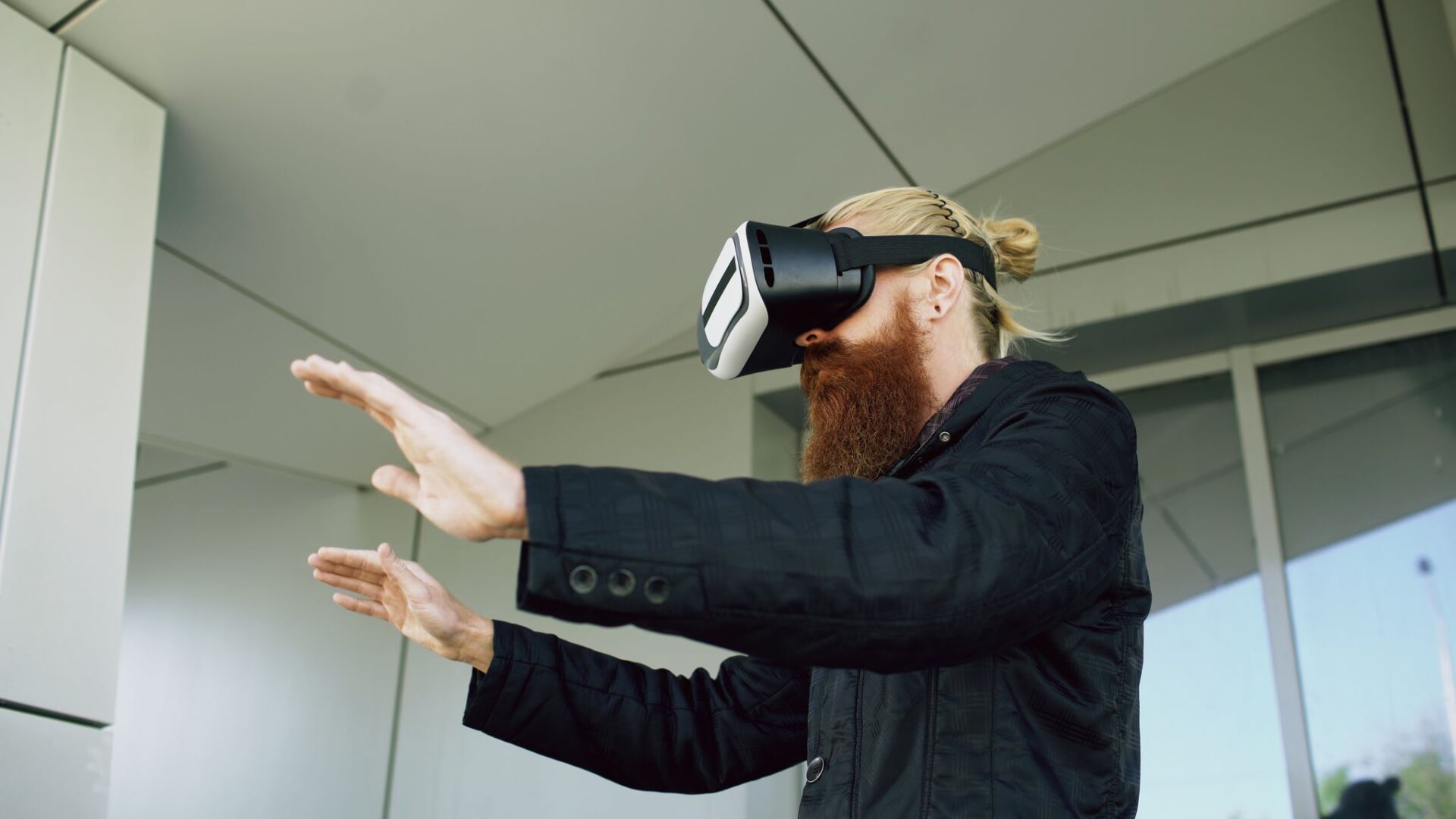
VR + Simulation + LMS
Briefly describe the timeline event providing your audience with all the details they need to know about it.
2020s
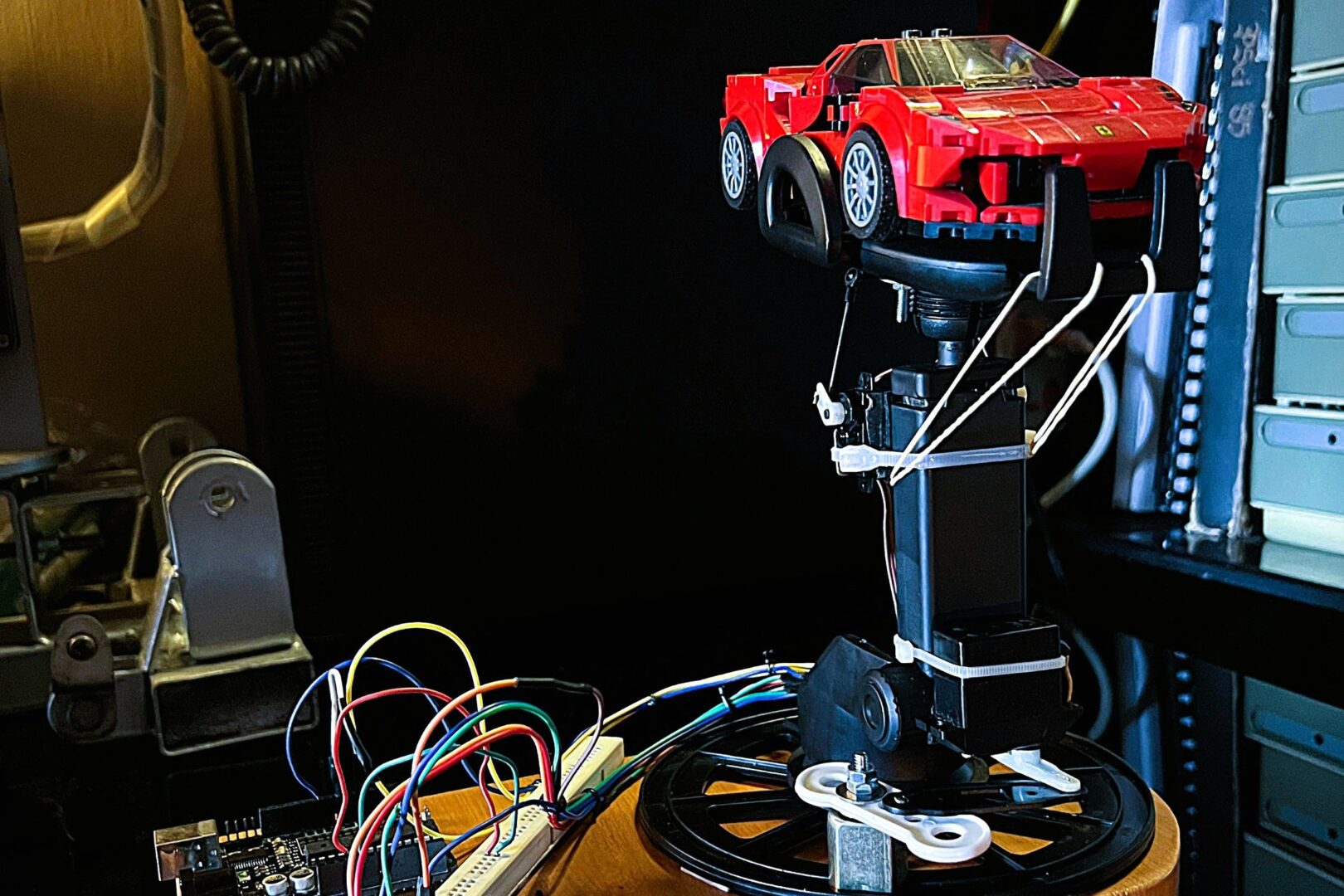
Motion Rigs + Integration
Briefly describe the timeline event providing your audience with all the details they need to know about it.
System Categories
Three areas of hands-on experimentation supporting the Studio and LAB.
These prototypes are grouped into three core categories:
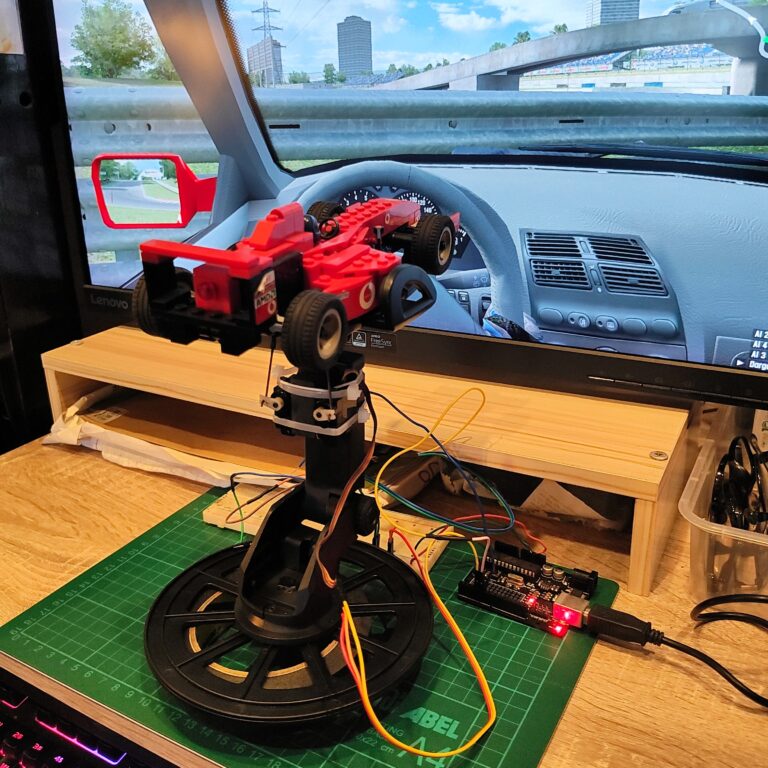
Motion Platforms
Custom-built rigs designed to simulate movement and provide kinetic feedback for immersive environments, training, and research.
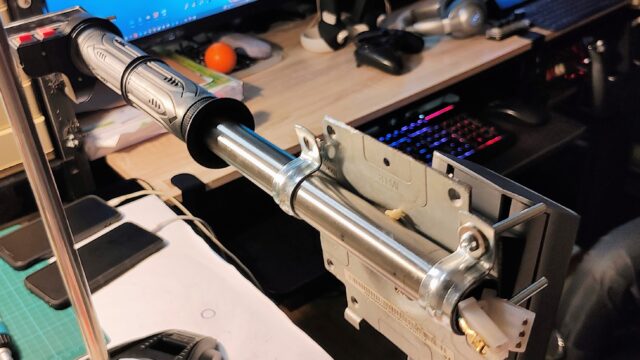
Simulation Controls
Specialized hardware interfaces–such as flight controls and input systems–built for precision interaction within digital environments.
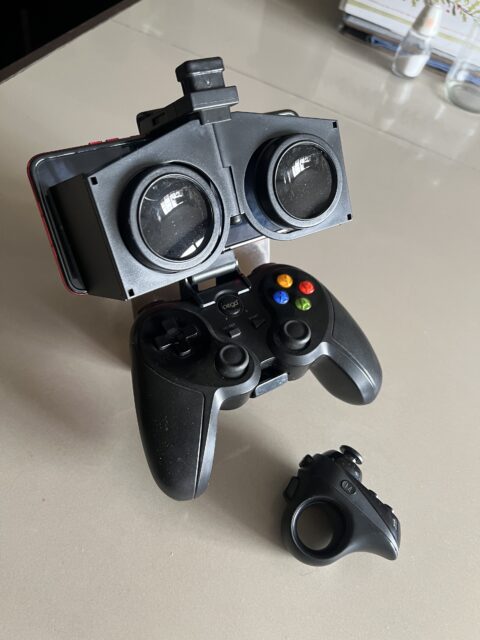
Interactive Builds
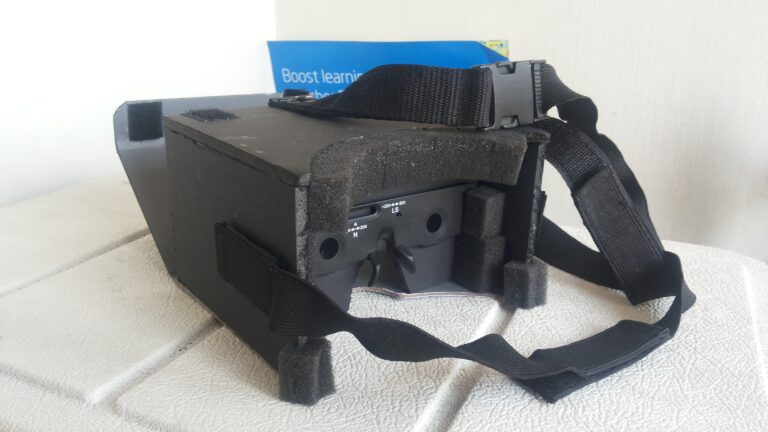
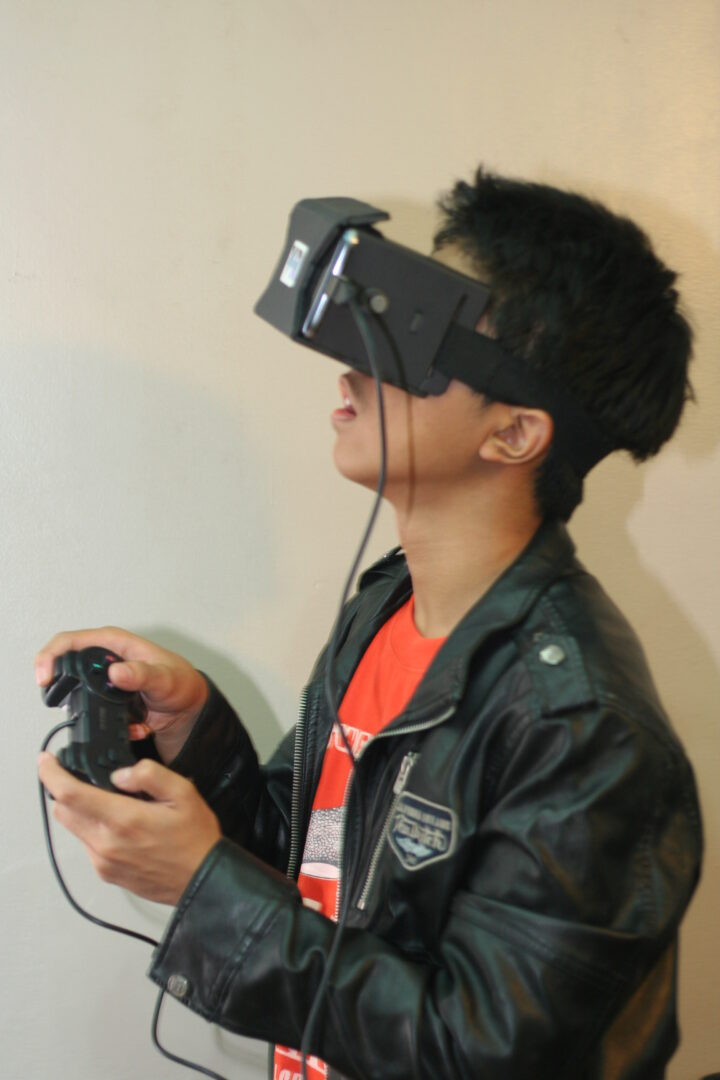
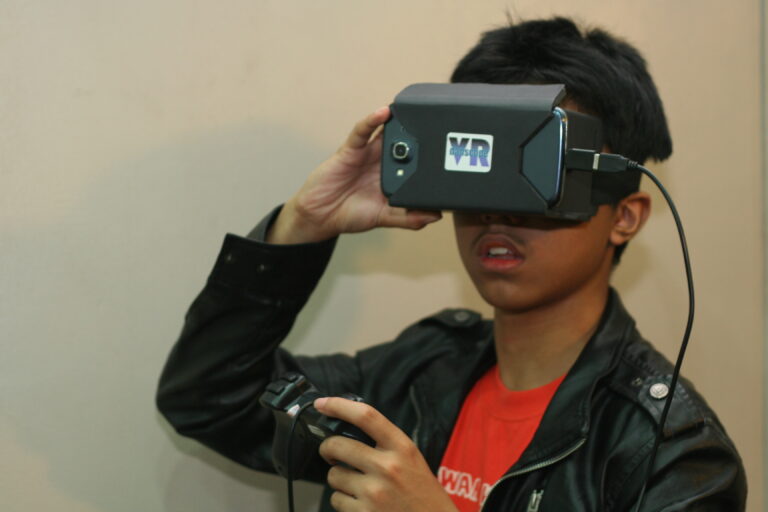
Standalone systems that combine design, electronics, and fabrication, including custom furniture, VR viewers, and offline digital infrastructure.
What These Systems Enable
From simulation to real-world application.
Beyond experimentation, these systems support practical applications across multiple fields:
- Training – Tactile feedback for spatial and operational learning
- Simulation – Testing movement, ergonomics, and interaction before implementation
- Spatial Interaction – Navigating digital environments through physical controls
- Digital Access – Offline systems enabling knowledge access in low-connectivity areas

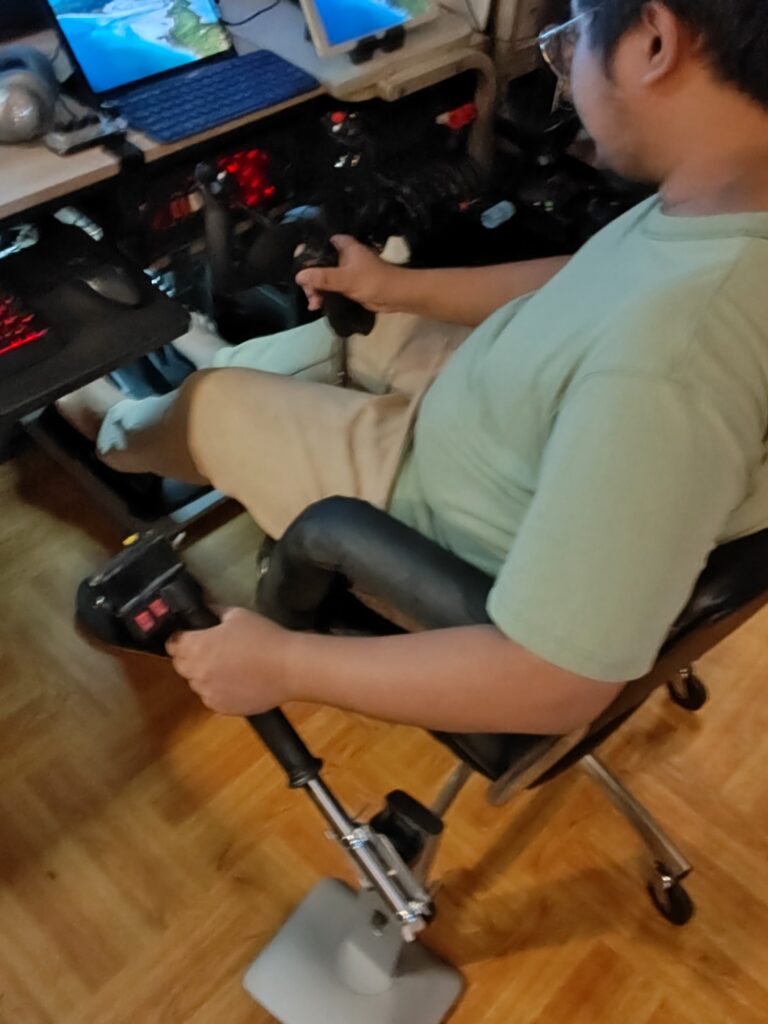
Selected Prototypes
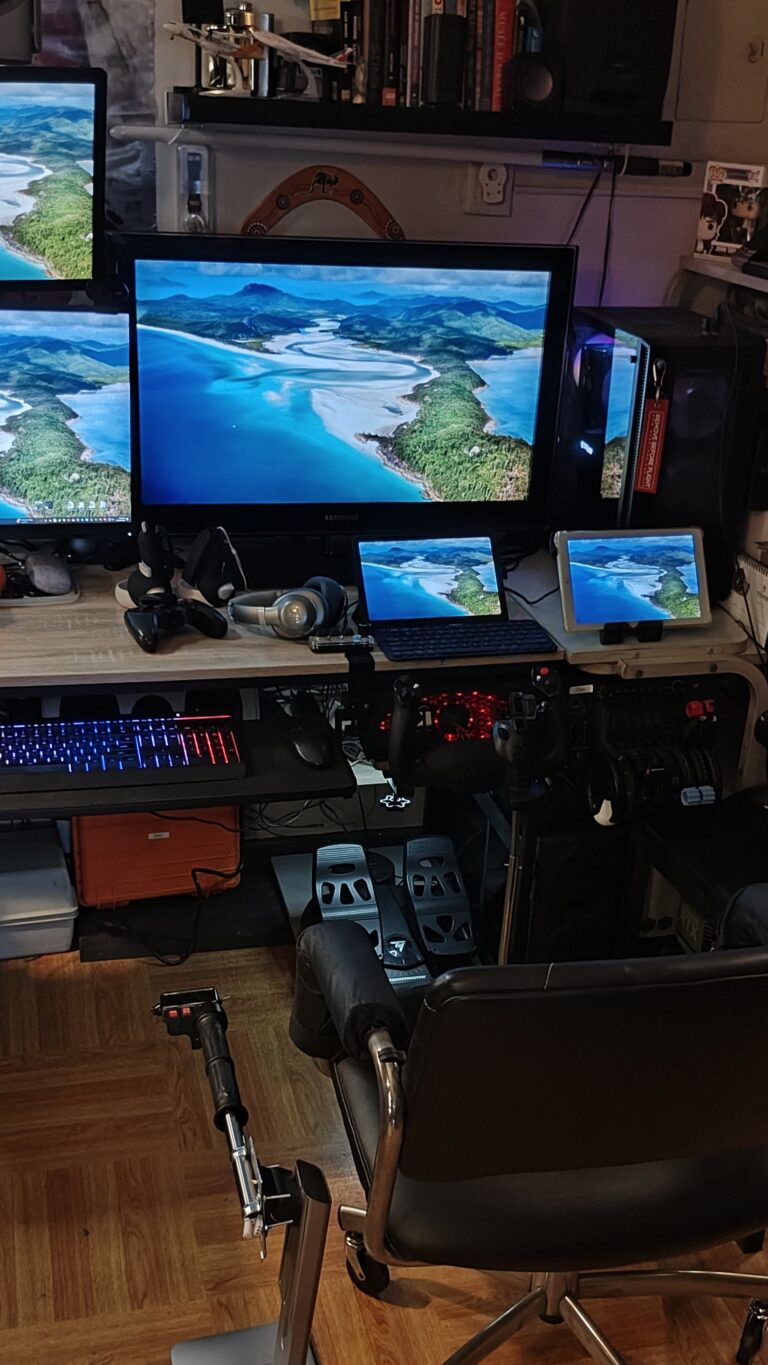
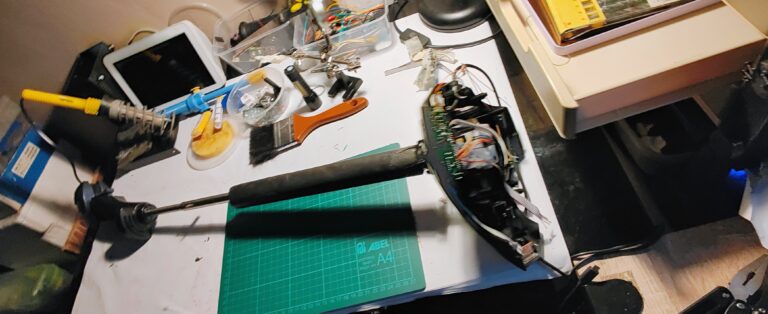
Aircraft Simulation Control System (2024)
Custom-modified flight controls using Hall-effect sensors
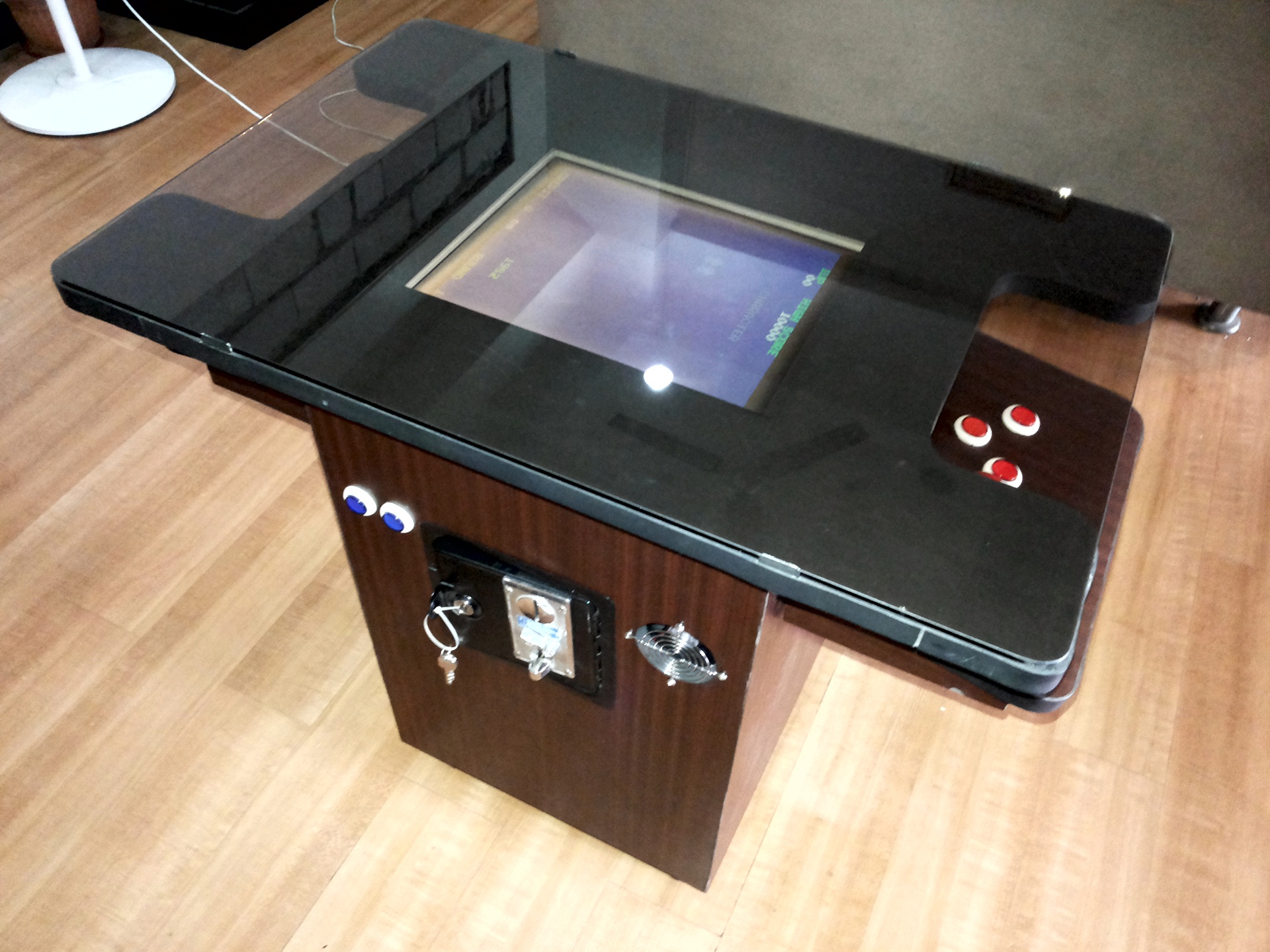
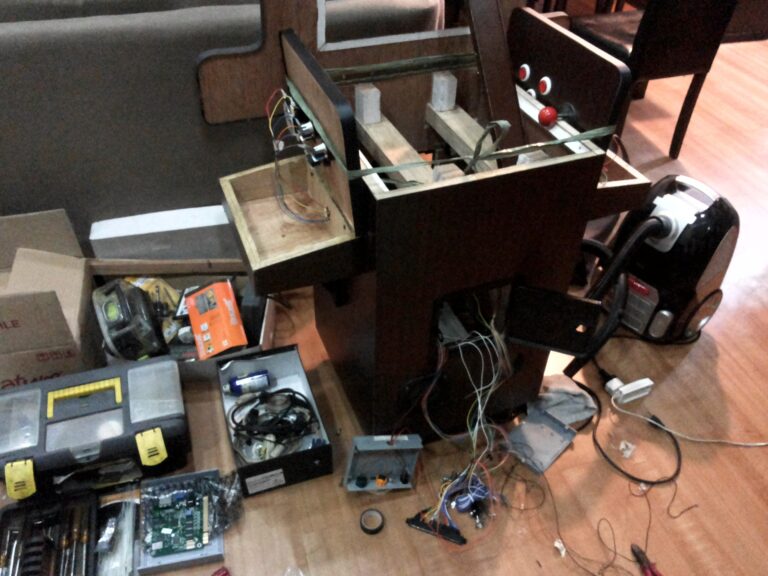
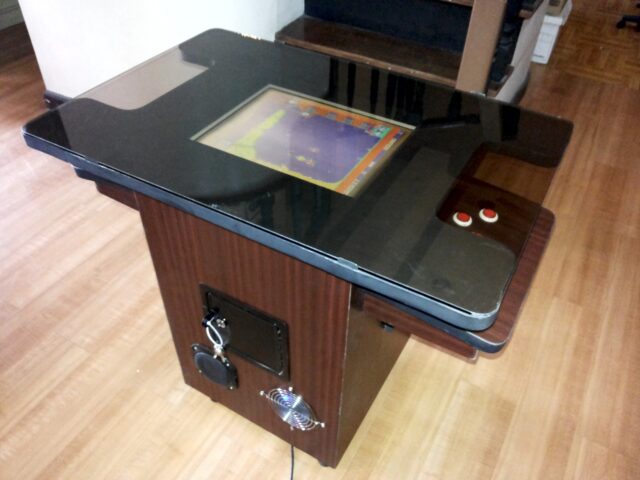
Retro Gaming Tables (2012–Present)
Furniture-integrated gaming systems
Offline Learning Server (2017)
Local network knowledge access for remote schools
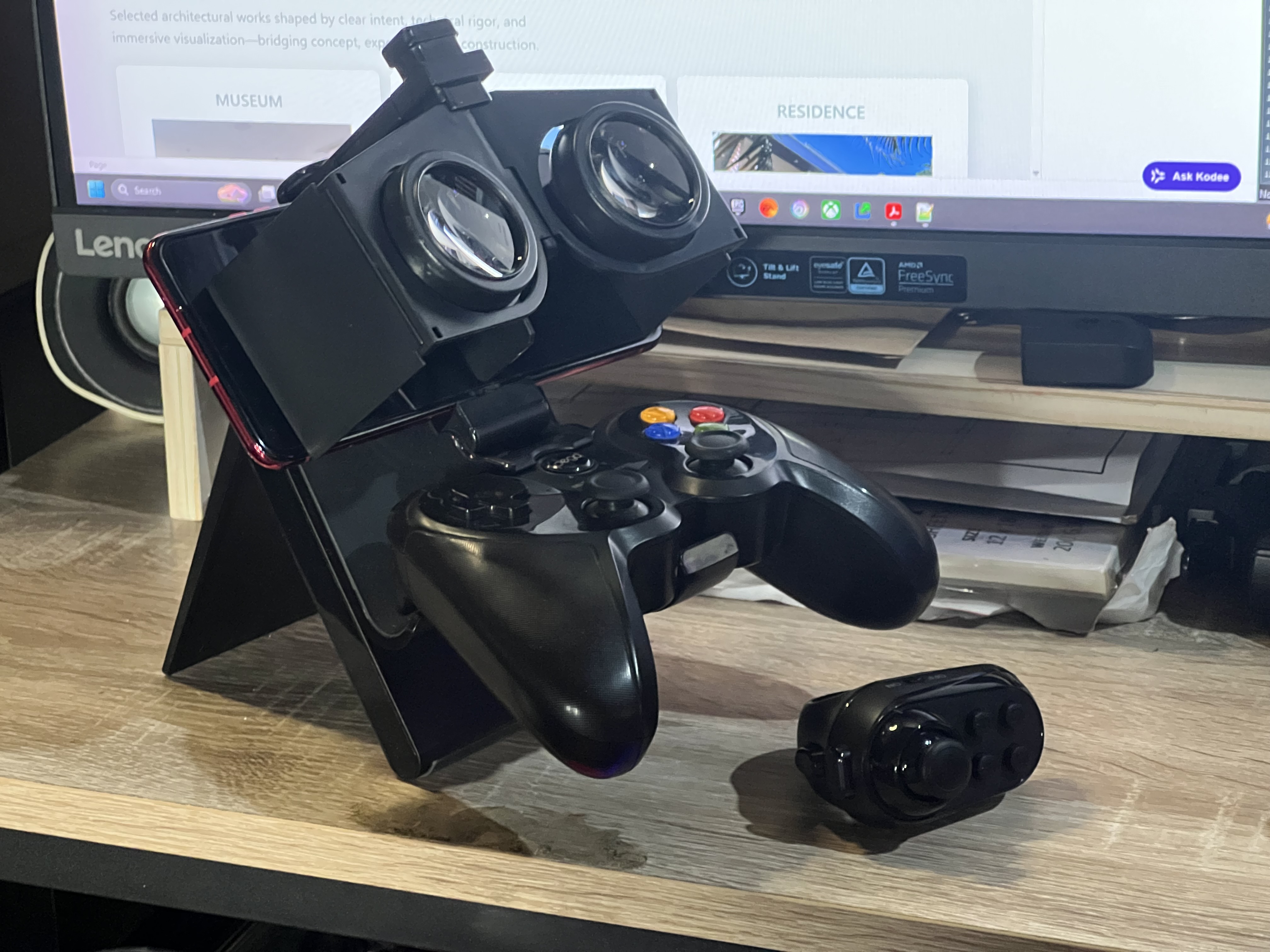
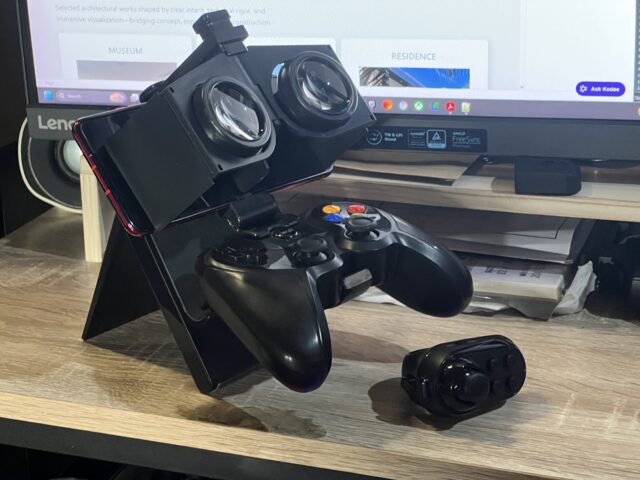
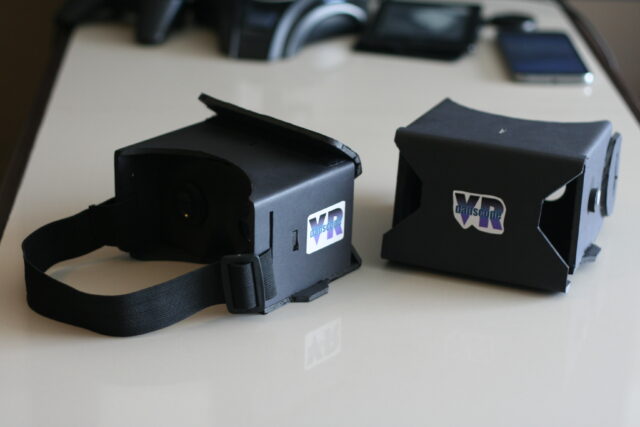
Mobile VR Devices
Smartphone-enabled VR Experiences
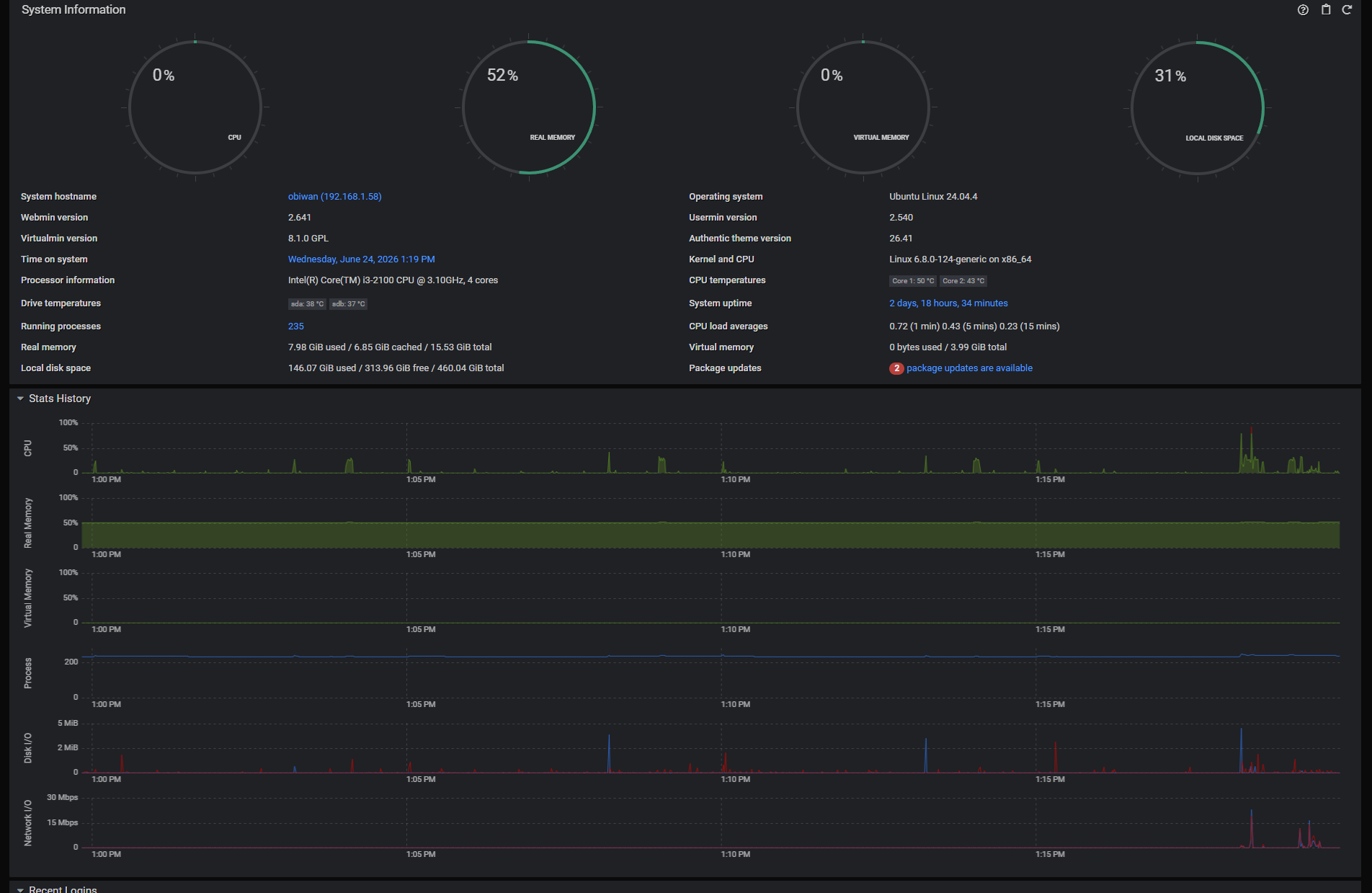
Local AI Builds
Offline Linux Servers for AI access and development
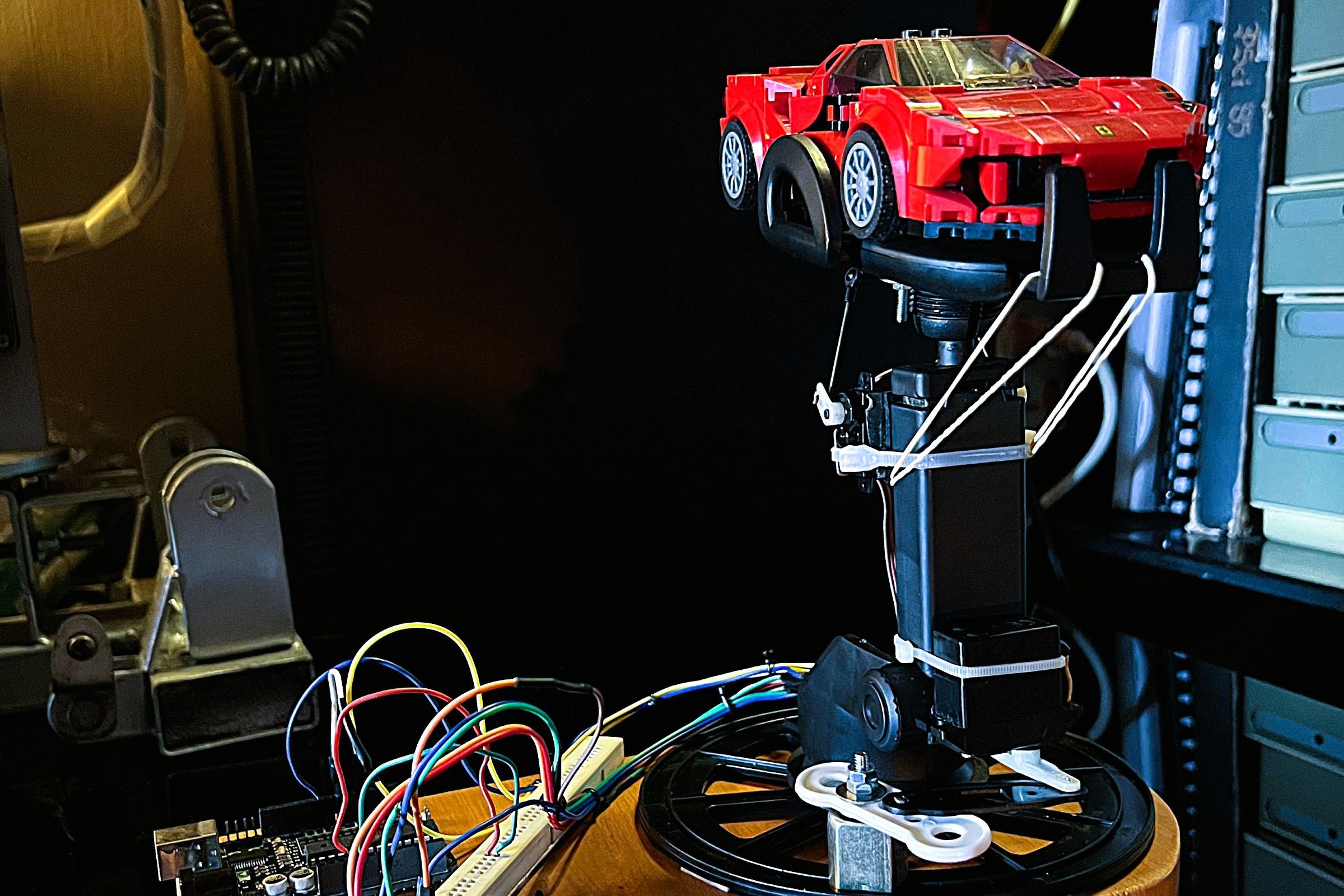
Motion Simulation Development
Moving seats for a fully immersive experience
The Future of the Interface
Scaling accessibility through local innovation
The next phase focuses on making advanced systems more accessible and adaptable.
Ongoing work includes developing low-cost motion platforms, improving smartphone-based VR viewers, and exploring applications in training, rehabilitation, and remote learning. If your project requires a custom bridge between digital systems and physical interaction, we can design and prototype the solution.