Applied Research
Designing the next layer of architectural intelligence.
Applied Research at DDRA focuses on what comes next.
We develop and test systems that extend beyond current practice by integrating intelligence, immersion, and physical interaction into a more responsive design process. Each initiative is a step toward a more connected, efficient, and adaptive architectural workflow.
This is where ideas evolve into the tools we will use tomorrow.
From Tools to Systems Thinking
Research that drives continuous evolution across the Studio and LAB.
Our work does not stop at building tools—it continues through refinement, integration, and iteration.
Applied Research connects all parts of the LAB by identifying gaps, testing new approaches, and expanding systems that improve how projects are conceived and delivered. Each research track is guided by real-world constraints, ensuring that innovation remains practical, scalable, and relevant.
Rather than reacting to change, we define a direction—and build toward it.
Every system in the LAB begins here.
Focus Areas
Active Investigations of Projects currently on the workbench.

Intelligent Systems
Current focus includes development of AIkitekto focuses on translating building regulations into structured, machine-readable systems. Current work includes:
– Rule engines for automated compliance
– LGU-specific ordinance integration
– PDF and drawing-based analysis
– AI-assisted design workflows
Immersive Systems
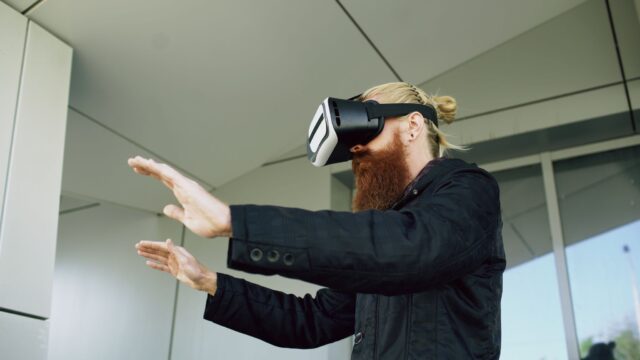
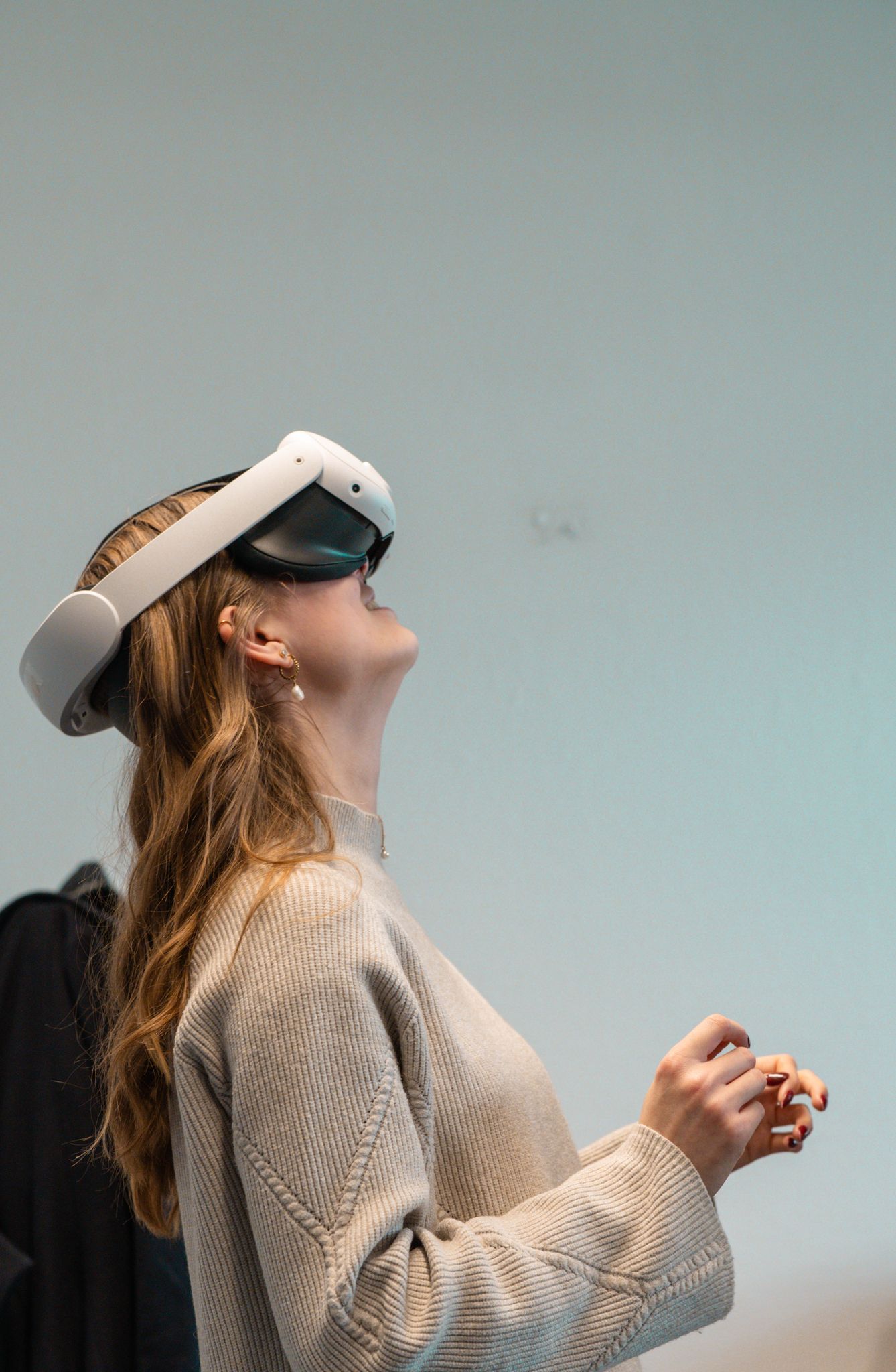
Research is focused on making immersive visualization more accessible and practical for everyday use. This includes:
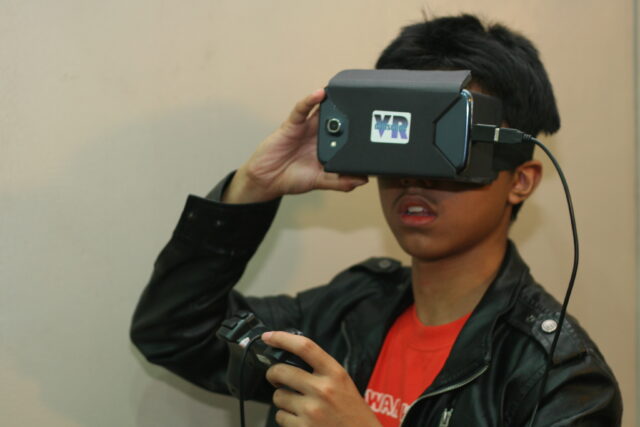
– Smartphone-based VR improvements
– Lightweight AR/VR interaction models
– Optimized 360° visualization pipelines
– Integration of real-time data into immersive environments
Integrated Workflows
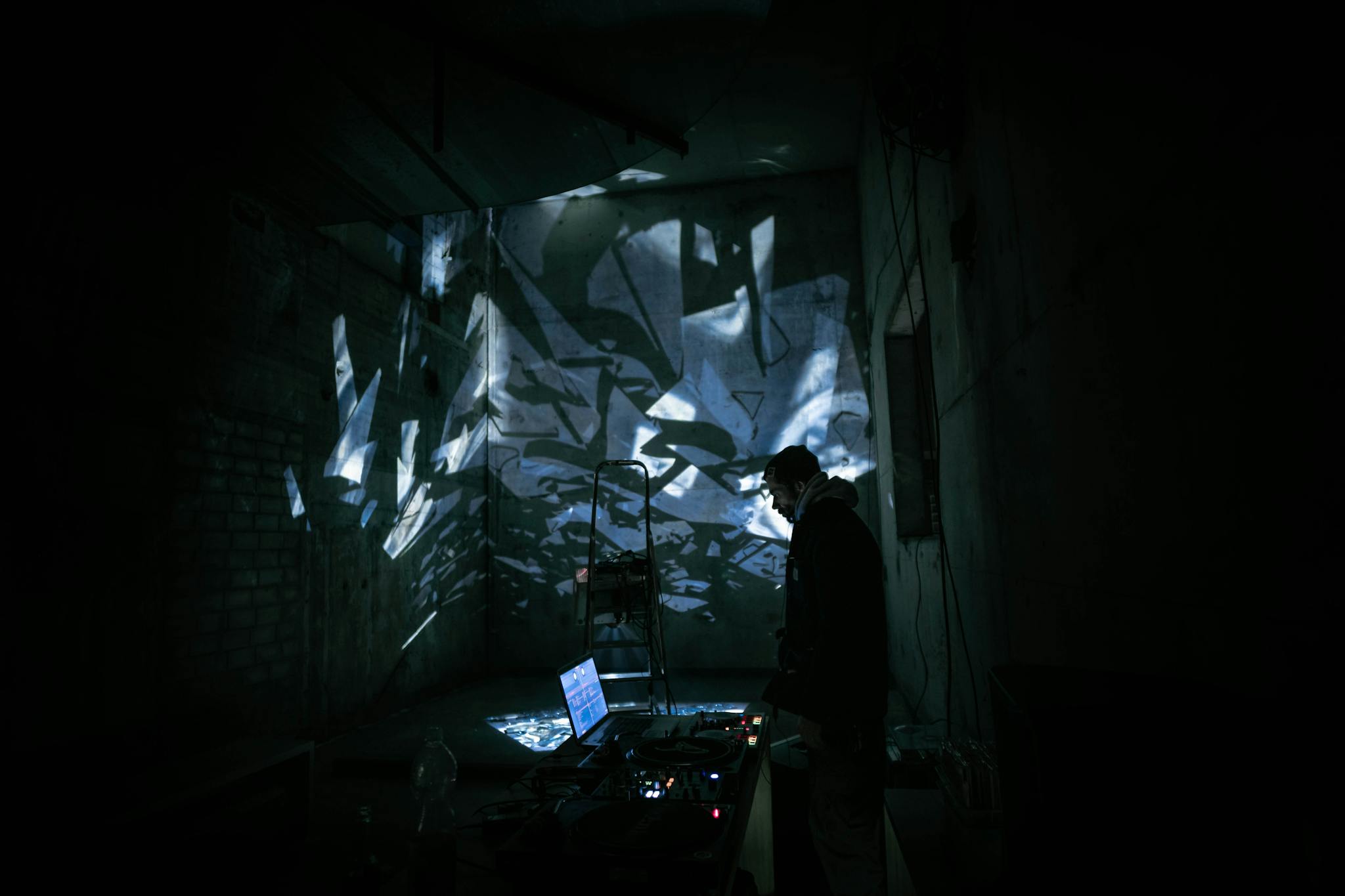
Development of unified systems that connect visualization, data, and interaction into a single continuous environment.
The goal is to enable seamless Integrated Virtual Environment that function across devices by supporting design, presentation, and decision-making within one ecosystem.
Physical Systems Evolution
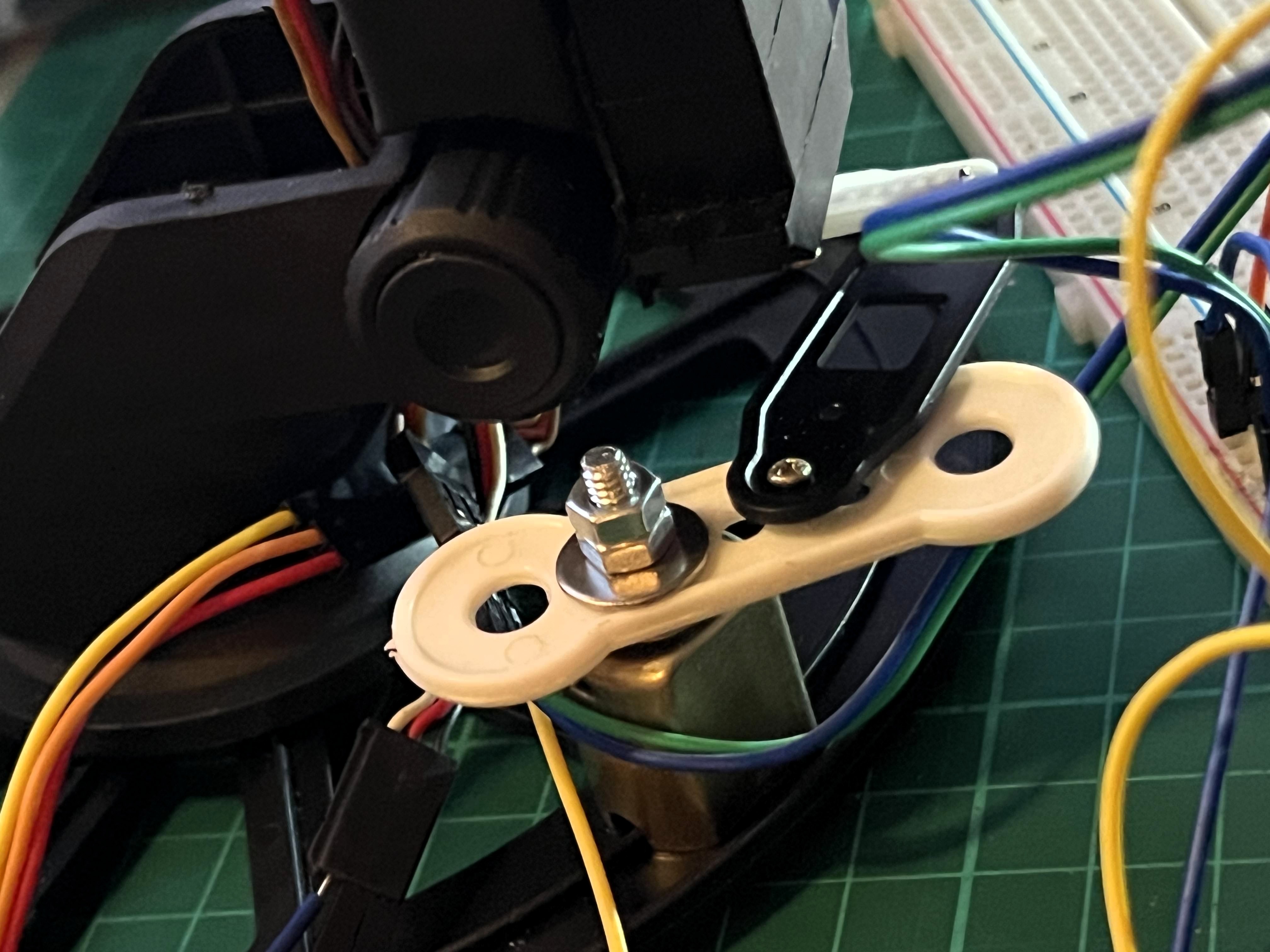
Expansion of hardware-based systems that bridge digital environments with physical interaction. This includes:
– Motion simulation platforms
– Custom control systems
– Hardware interfaces for immersive environments
– Physical interaction with digital twins
Collaboration Opportunities
We collaborate with organizations looking to test, implement, or co-develop emerging systems in real-world environments. Opportunities include: